 info@triniteconsulting.com
 +1 (224) 385 9760
Business continuity in practice is the disciplined effort to keep “essential functions” running through disruptions and then recover fast enough to avoid unacceptable financial, customer, regulatory, or safety impacts. [1]
A Chicago-based business consulting firm is helpful in continuity work because they sit at the intersection of operations + risk + workforce + technology + vendor ecosystems and can turn abstract preparedness (“we should be resilient”) into implementable plans, contracts, and measurable targets like RTO/RPO (how fast you must restore services, and how much data/work you can afford to lose). [2]
A major “hidden” continuity lever is workforce elasticity, which involves using strategic staffing, cross-training, and BPO/managed services to cover visa-related talent gaps, demand spikes, supply-chain fires, and pandemic-style constraints without breaking compliance. [3]
Why Chicago consultants matter for continuity
Chicago is unusually sensitive to (and positioned to mitigate) disruptions because it is a North American logistics hinge point: CMAP notes that ~25% of all U.S. freight trains and ~50% of intermodal trains pass through metropolitan Chicago, with large air cargo and industrial footprints. [4] When supply chains jitter (port congestion, rail chokepoints, component shortages), Chicago-area producers and distributors feel it quickly, making structured continuity planning more valuable. [5]
Regionally, the “Chicago Fed” has pointed to supply chain disruptions and labor force constraints as real drags during recovery phases, and to shifts in inflation/growth expectations that can tighten financing conditions (a classic economic-shock channel). [6] Consultants in this environment often focus on: (a) operational bottlenecks, (b) redundant vendor pathways, (c) workforce coverage models, and (d) decision governance so leaders can act within hours, not weeks. [7]
Continuity planning services and frameworks consultants use
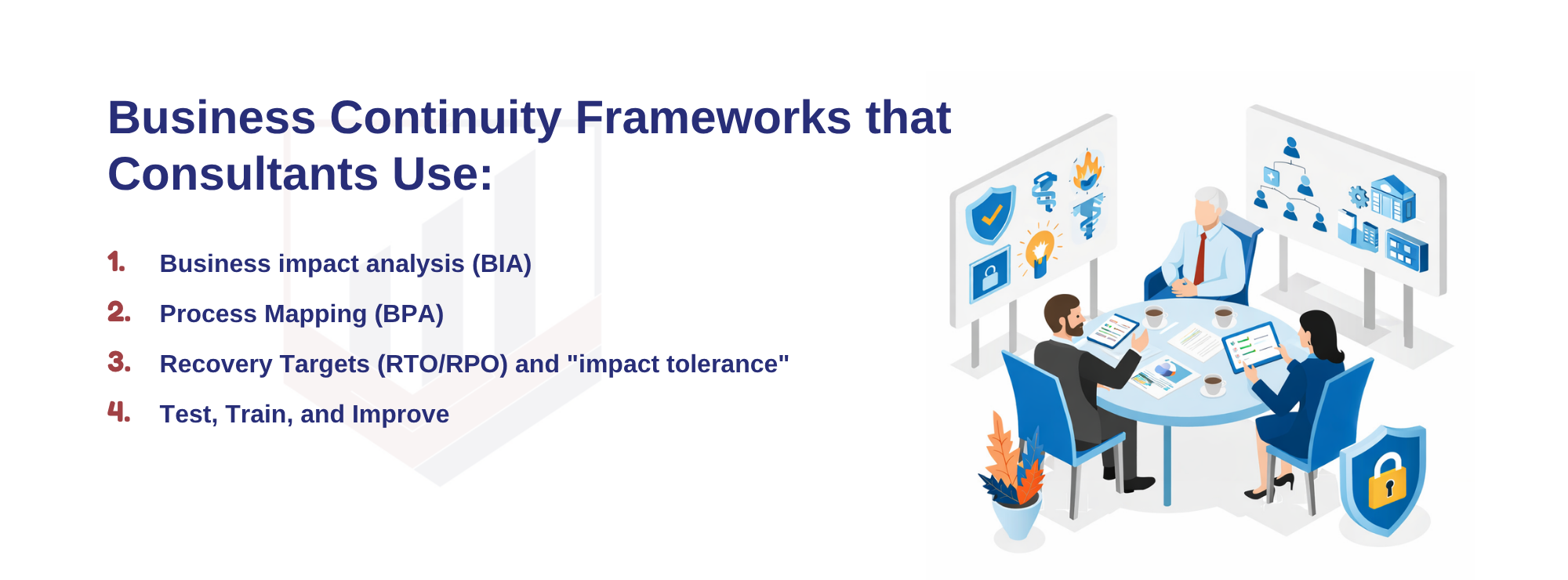
Most Chicago continuity engagements converge on four deliverables, mapped to widely used frameworks:
Business impact analysis (BIA) + process mapping (BPA)
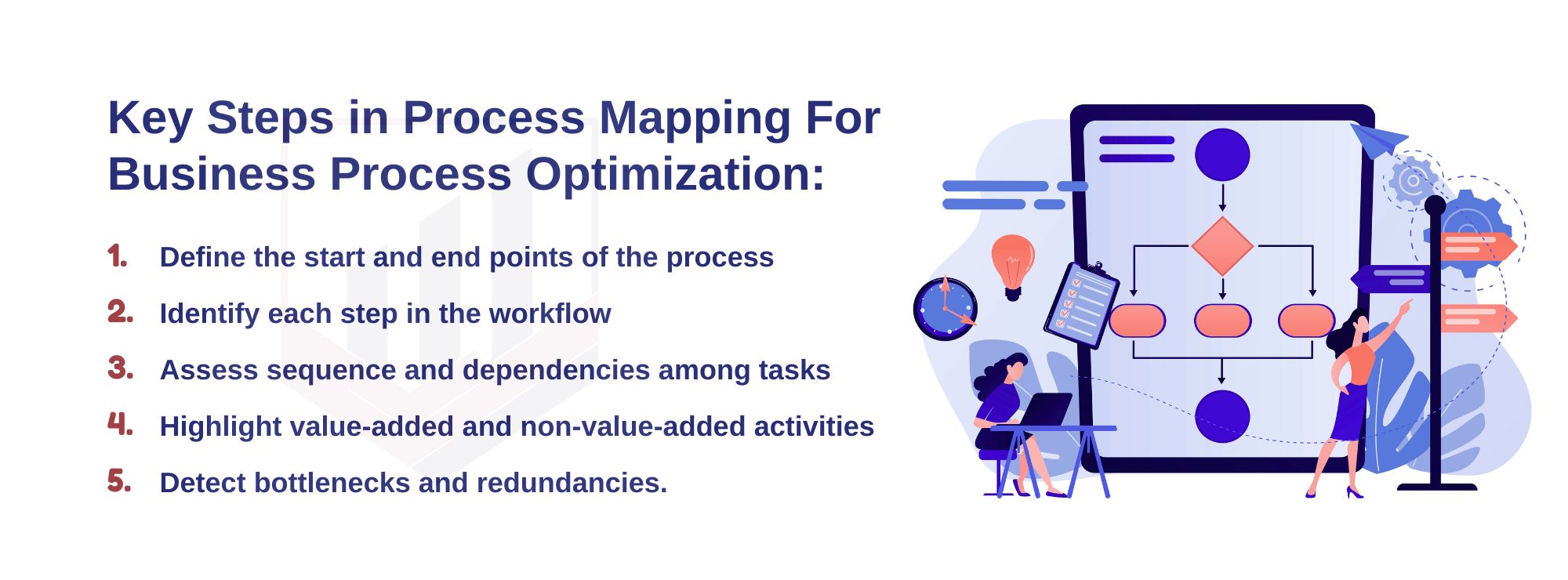
FEMA’s Continuity Guidance Circular defines BIA/BPA as methods for identifying what breaks when a function fails and how work actually flows (including dependencies). [1] In practice, consultants run BIA workshops by function (order-to-cash, customer support, payroll, procurement, IT) to identify “tier-1” processes and single points of failure. [8]
Recovery targets (RTO/RPO) and “impact tolerance”
NIST defines RTO as the maximum tolerable time a system/resource can be unavailable before impacts become unacceptable, and RPO as the point-in-time to which data must be recovered after an outage. [2] Consultants translate these into tiered service levels (e.g., “customer billing: RTO 24h, RPO 4h”), then align infrastructure, staffing coverage, and vendor SLAs to those targets. [9]
Test, train, and improve
Consulting-led programs typically include tabletop exercises, call-tree tests, “failover” drills, and after-action remediation. Effectiveness depends on integrating crisis management, business resumption, IT disaster recovery, and testing them regularly. [10]
Staffing and BPO levers for workforce continuity
When disruptions create capacity gaps (absences, hiring freezes, compliance pauses, demand surges), consultants often model options across speed, scalability, cost, and compliance risk.
Temporary staffing / contingent labor
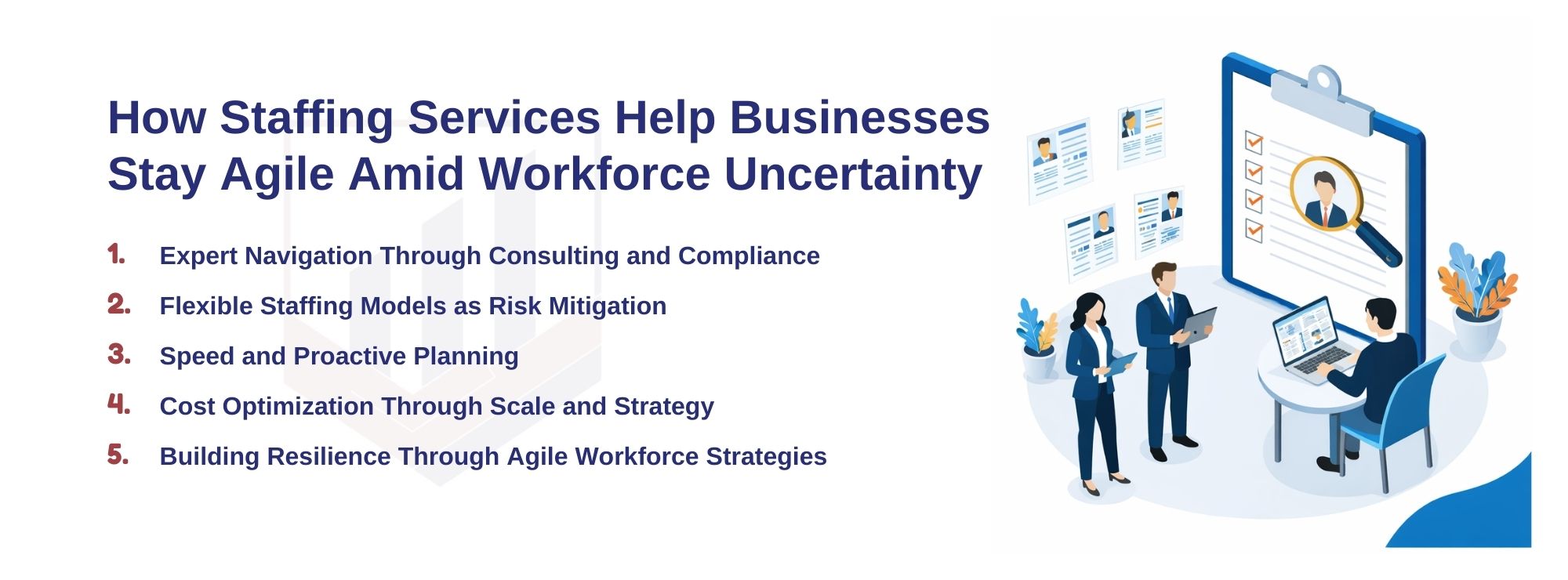
“Temporary help services” supply workers to clients for limited periods to supplement the workforce (workers are employed by the staffing firm; typically no direct onsite supervision by the temp firm). [11] Staffing services offer temps for surge work (customer support backlogs, data cleanup, warehouse admin, AP/AR support) and to buy time while longer fixes land.
Cross-training + flexible workforce design
This is internal resiliency: build “two-deep” coverage for critical roles, rotate staff through adjacent processes, and create standardized work instructions so non-specialists can step in during a disruption. [8]
Managed services (MSP-managed function)
Consultants use managed services when continuity requires ongoing operational ownership (e.g., help desk, security monitoring, external workforce management, AP processing) rather than ad hoc staff augmentation. [12]
Nearshore/offshore BPO
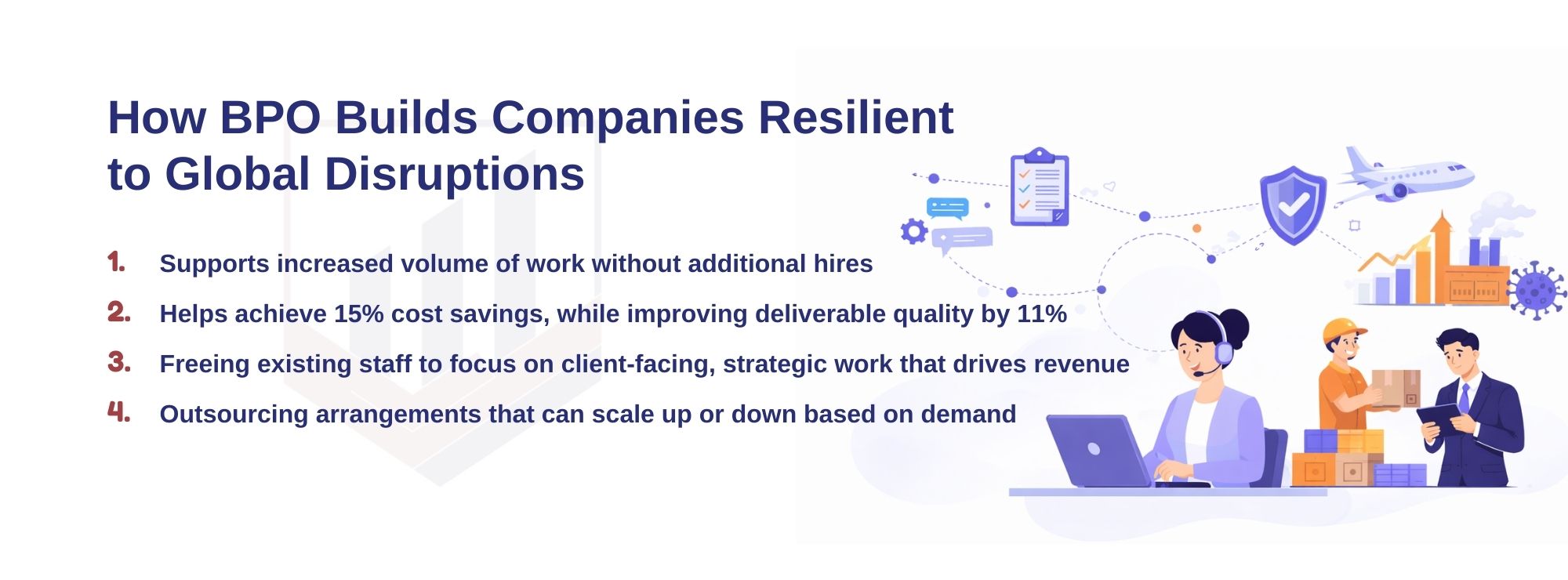
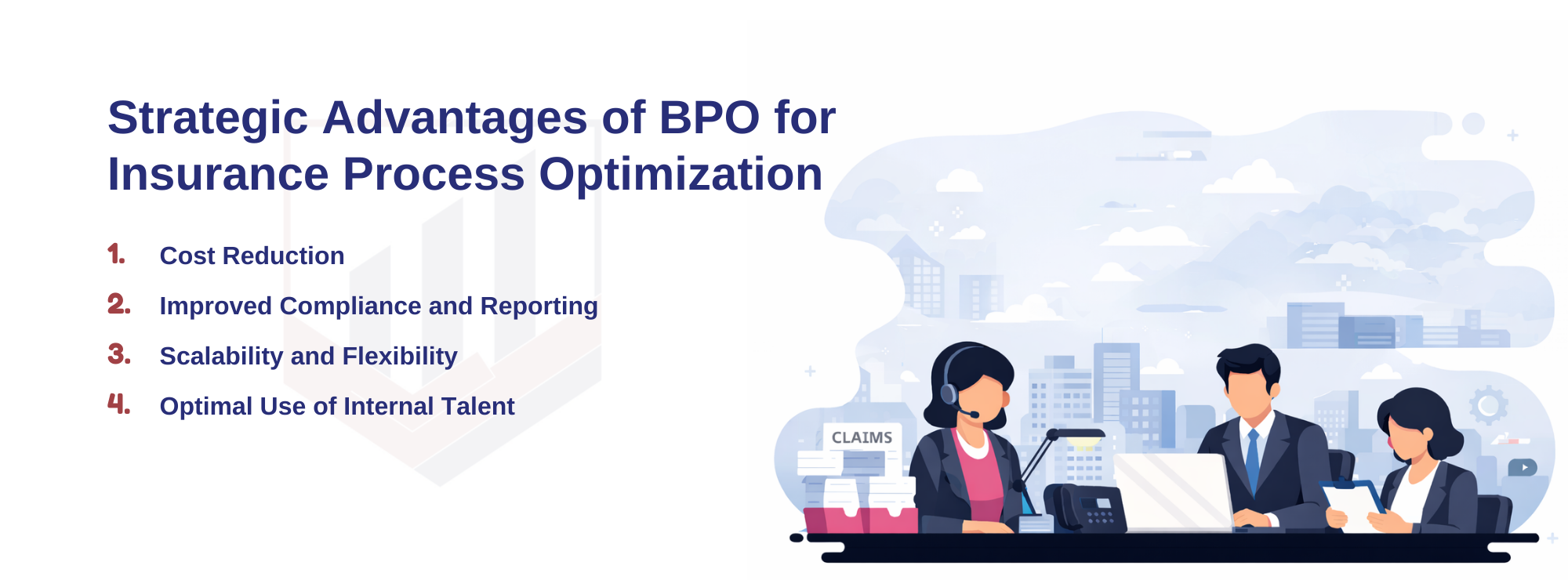
Consultants use Business Process Outsourcing (BPO) to stabilize throughput (transactional HR, finance ops, customer support) and to add “follow-the-sun” capacity, but they also treat it as a risk decision: BPO can introduce disruption exposure, data-security and regulatory-compliance risks, and vendor dependency if not governed tightly. [13]
Implementation roadmap, timelines, and KPIs
A practical, consultant-led timeline often looks like this:
Rapid assessment (about 2–4 weeks)
Stand up a continuity team and project plan (a FEMA continuity best practice), run a lightweight BIA/BPA for top 10–20 processes, and set initial RTO/RPO tiers. [14]
Design and contracting (about 4–10 weeks)
Build playbooks (who decides what), rewrite SOPs for cross-training, negotiate staffing/MSP/BPO SLAs, and define minimum controls for data access and audit trails, especially for I‑9-related systems and HR processes. [15]
Launch and validation (ongoing; first meaningful test within 60–90 days)
Tabletop exercises and “failure mode” simulations; then quarterly test cadence. Continuous improvement and testing is vital across crisis management, resumption, and ITDR. [10]
Cost/benefit reality check: NIST explicitly notes that shorter RTOs generally require more expensive recovery solutions, so consultants help leaders choose targets that match real impact tolerances rather than aspirational uptime. [16]
KPIs/KRIs to monitor (pick a small, decision-useful set): RTO achievement rate; backlog burn-down time; SLA attainment (MSP/BPO); time-to-fill and offer acceptance (if using RPO); overtime and absenteeism; order cycle time; supplier on-time-in-full; and compliance indicators such as I‑9 exception rate and audit trail completeness. [17]
Conclusion
Business consulting in Chicago helps continuity most when it converts local disruption realities, like during logistics volatility, labor shocks, and regulatory complexity, into a measurable operating model: prioritized essential functions, explicit recovery targets, pre-negotiated staffing/BPO levers, and compliance-safe execution. The main payoff is not just surviving a disruption, but maintaining customer commitments and cashflow while competitors scramble because the “decision system” (plans, contracts, metrics, drills) is already in place. [16]
References:
- [1] [7] [14] https://www.aacounty.org/sites/default/files/2023-05/continuity-guidance-circular-2018.pdf
- [2] [9] [16] https://nvlpubs.nist.gov/nistpubs/legacy/sp/nistspecialpublication800-34r1.pdf
- [3] [11] https://www.census.gov/naics/resources/archives/sect56.html?utm_source=openai
- [4] [16] https://cmap.illinois.gov/regional-plan/goals/recommendation/maintain-the-regions-status-as-north-americas-freight-hub/
- [5] https://www.chicagofed.org/publications/blogs/midwest-economy/2023/seventh-district-midyear-review-2023
- [6] https://www.chicagofed.org/publications/blogs/midwest-economy/2022/seventh-district-year-in-review
- [8] [10] [17] https://www.protiviti.com/sites/default/files/2022-11/guide-to-business-continuity-and-resilience-fifth-edition-protiviti_GLOBAL.pdf
- [16] https://flag.dol.gov/programs/LCA
- [17] [12] [15] https://www.sap.com/resources/what-is-a-msp
- [19] https://www.chicagofirst.org/wp-content/uploads/2017/07/overview_chicago_business_recovery_access_program_nov_2013.pdf
- [13] https://www.ibm.com/think/topics/business-process-outsourcing
Get Consultation
Related Blogs
Recent Blogs
Partner with us today!


